
Japanese Wood Species
Wood has woven itself into the fabric of Japanese life for over 5,000 years. It runs through the nation's architecture, craft, and daily life, shaping how people live, worship, and think.
A Culture Carved from Wood
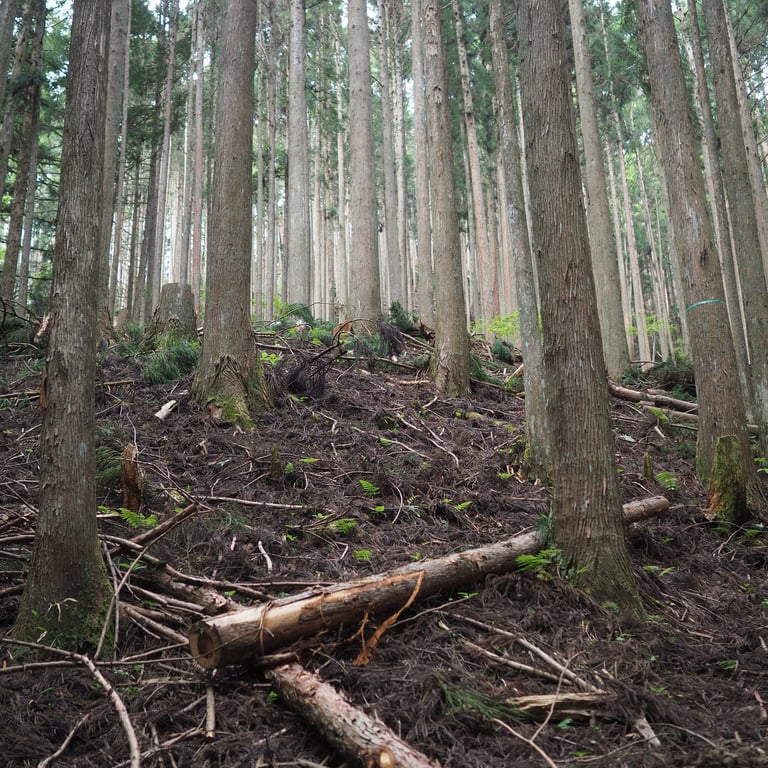
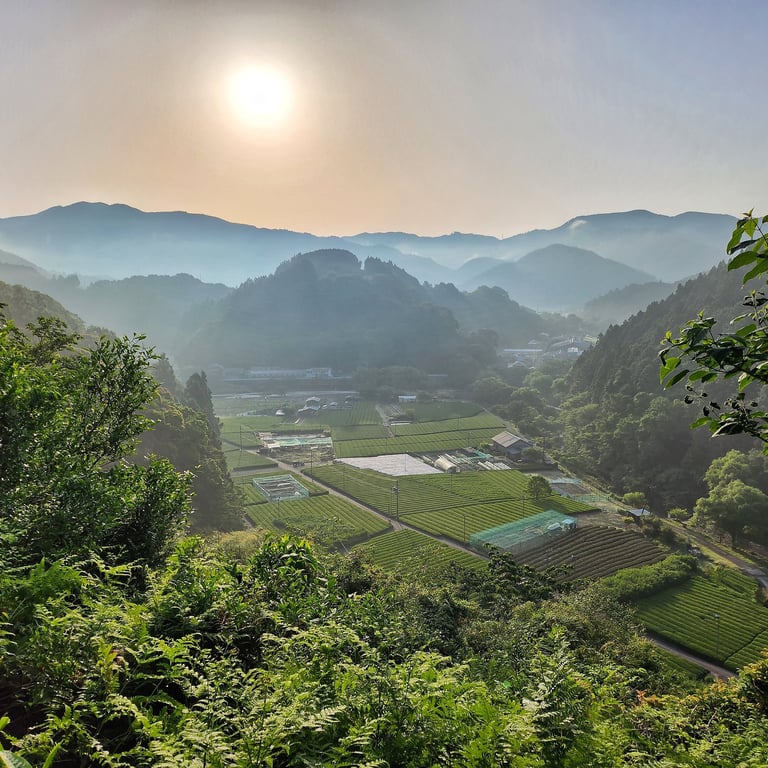
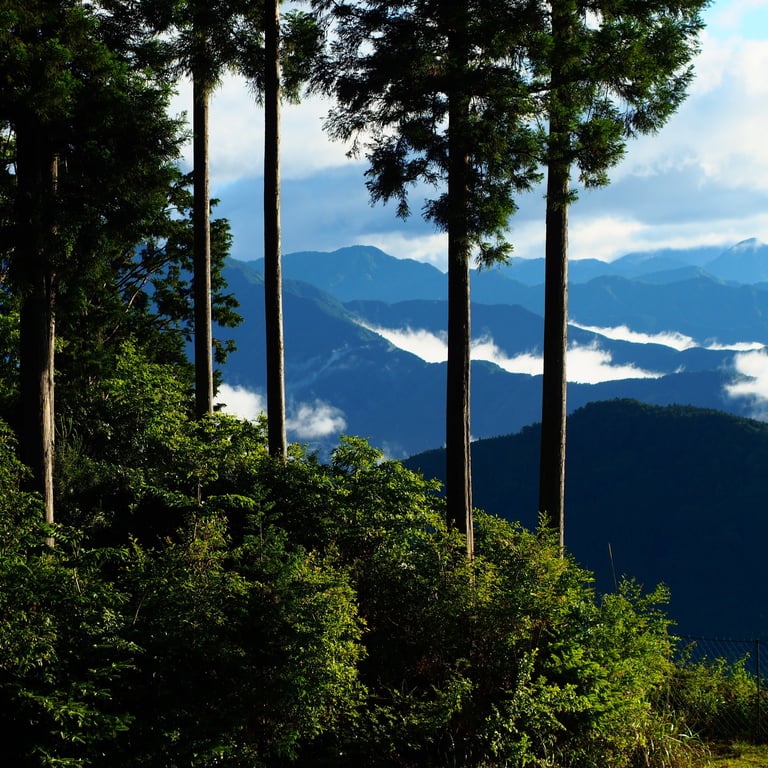
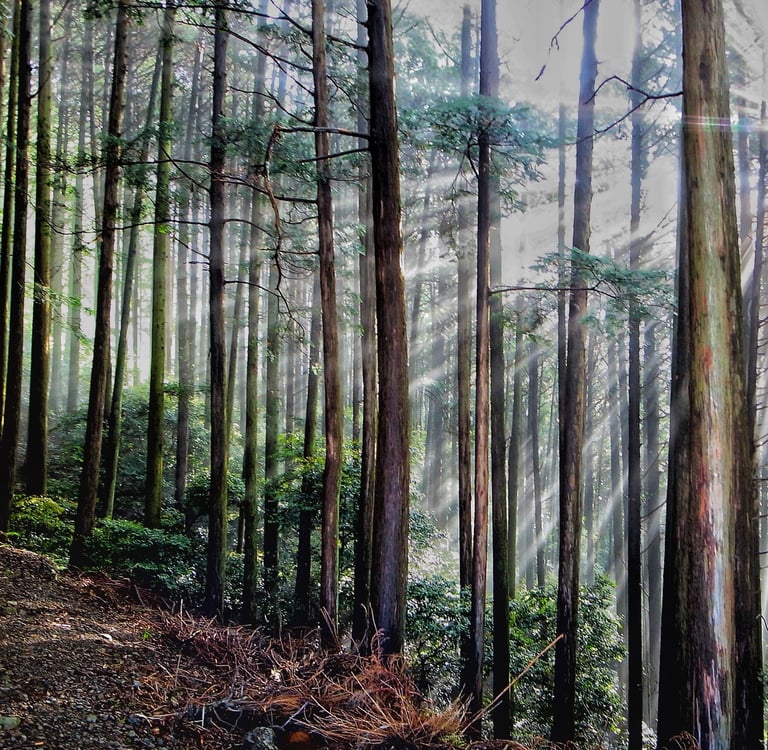
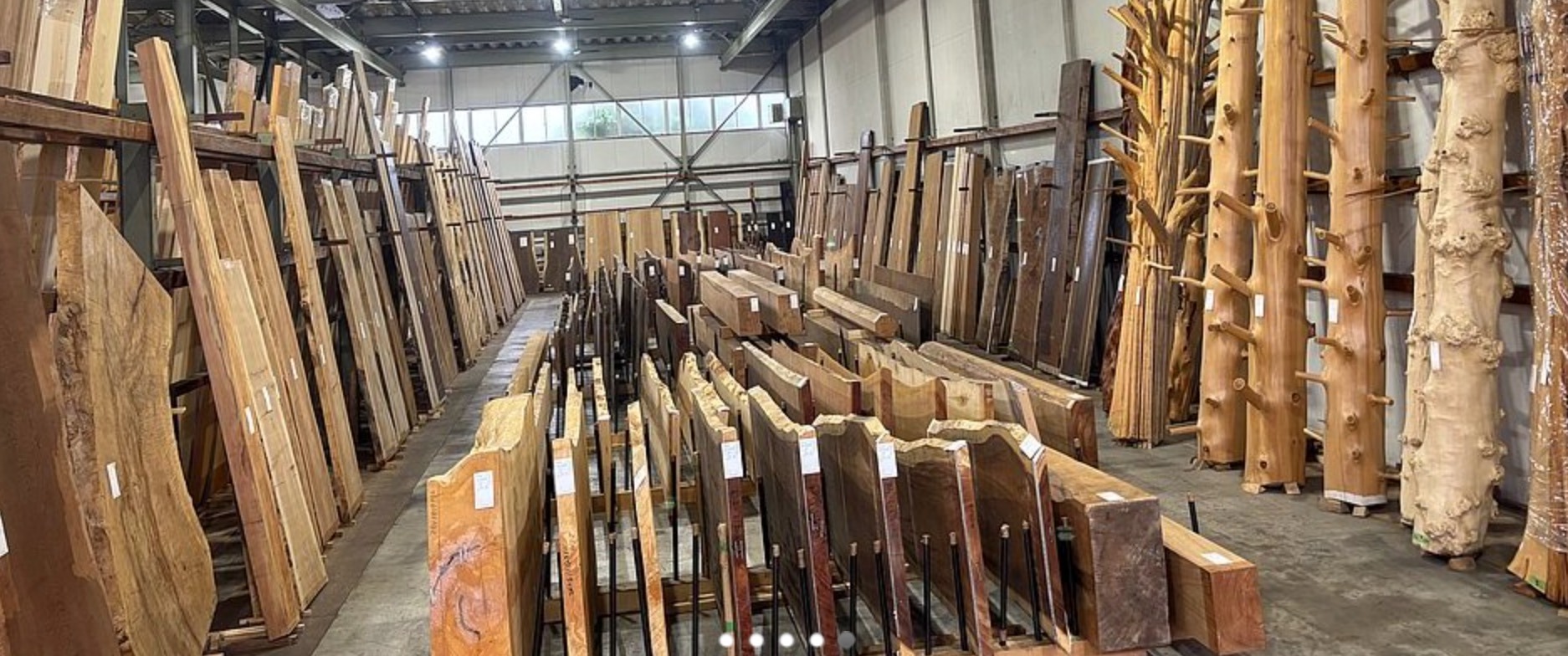
Forests blanket two-thirds of Japan. From these mountains come softwood species that define Japanese craftsmanship: Sugi, Hinoki, Karamatsu, and Todomatsu. Each carries its own grain, aroma, and working properties. Generations of builders and artisans have matched these species to the application that demands it, from sacred temple construction to everyday furniture and housing.
The Japanese call this relationship moku no bunka (wood culture). It runs deeper than material choice. Wood regulates humidity through Japan's extreme seasonal swings. Its cellular structure insulates naturally, and its grain carries warmth and character no engineered material replicates. In a climate of typhoons, earthquakes, and monsoon summers, the Japanese didn't just build with wood. They built a civilisation around it.
That knowledge survives. Japan's planted forests have reached maturity, and harvesting and replanting sustains the cycle that has run for millennia. The timber these forests produce carries the same natural properties and deep cultural lineage that shaped one of the world's great building traditions, and is now available to the rest of the world.
Native Japanese Wood Species
Japanese timber heritage runs deeper than any catalogue can capture. But these four species form the foundation of what we supply and what Japanese forestry does best. Each one is distinct in character, application, and the conditions that shaped it.
Sugi (Cryptomerica japonica)
Hinoki (Chamaecyparis obtusa)
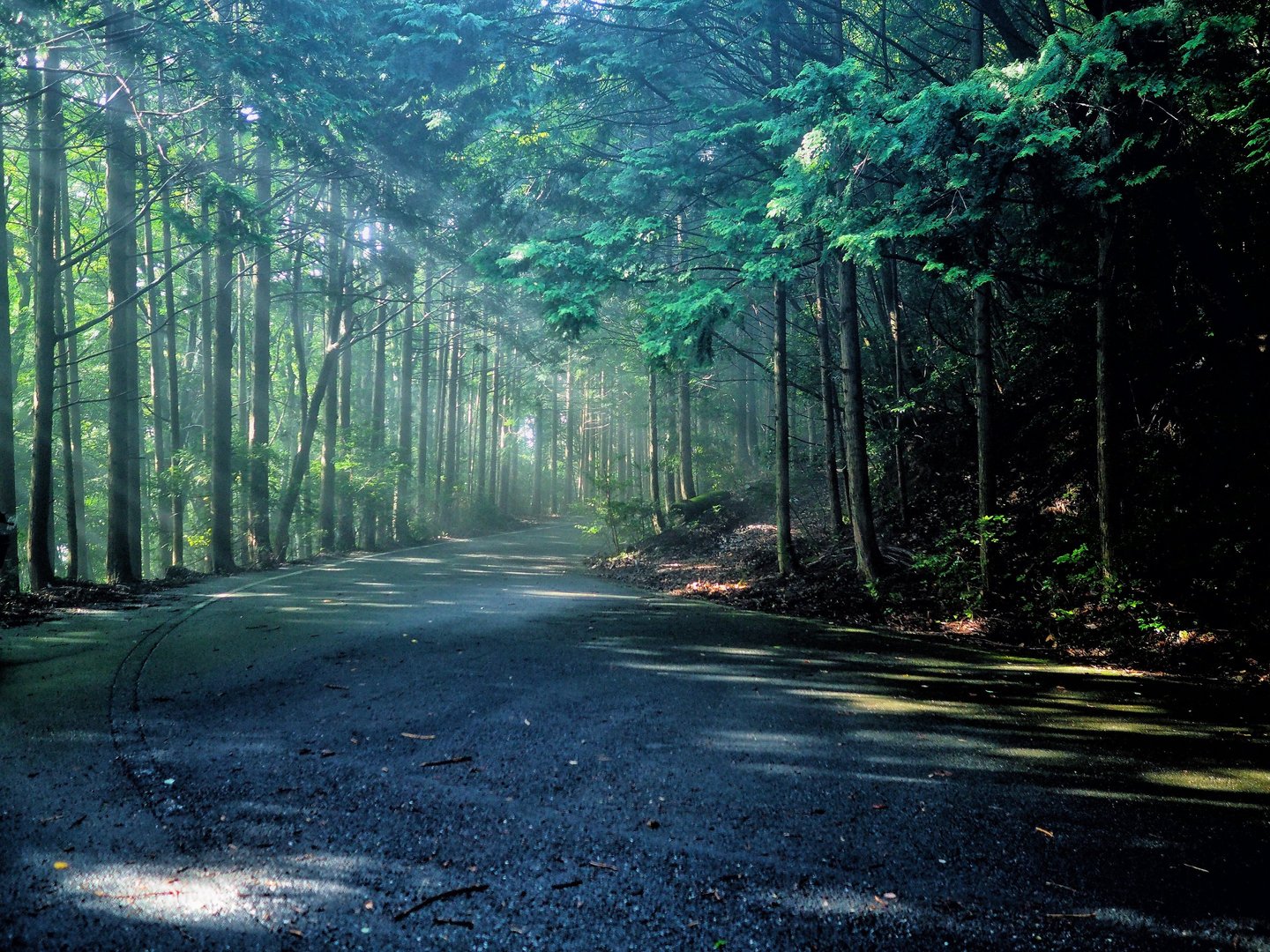
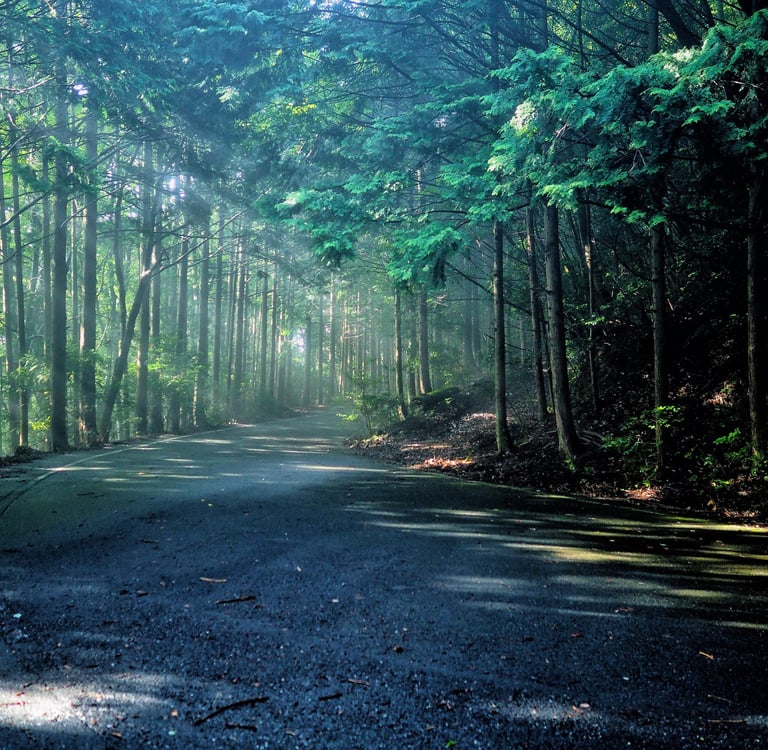
The timber inside Hōryū-ji, the world's oldest wooden structure. Aromatic, moisture-resistant, and still the first choice for bathhouses, wellness interiors, and fine joinery.
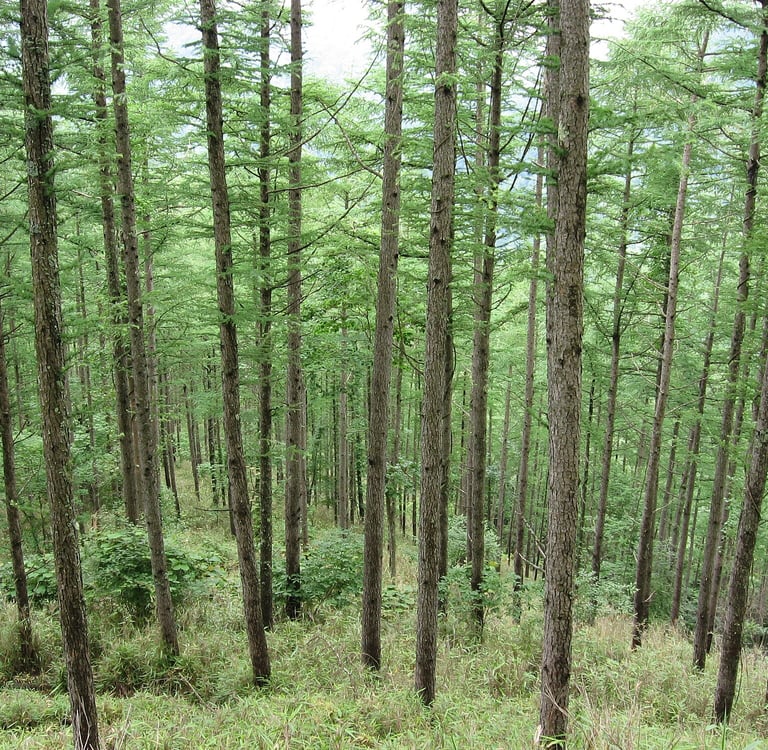
Karamatsu (Larix kaempferi)
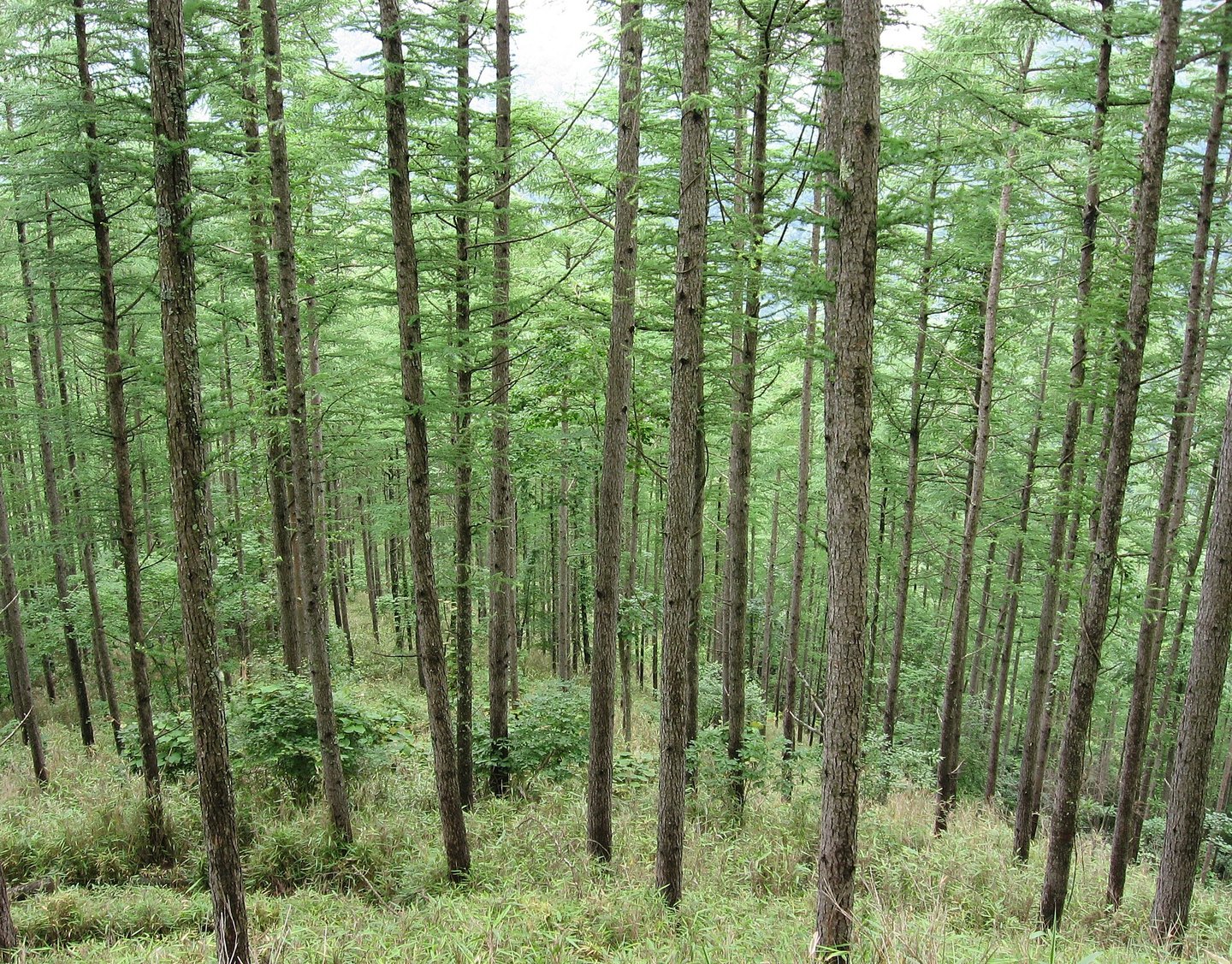
Grown slow in Japan's cold north. Its denser and harder than most Japanese softwoods, with a bold knotty grain that strengthens rather than softens with age and exposure.
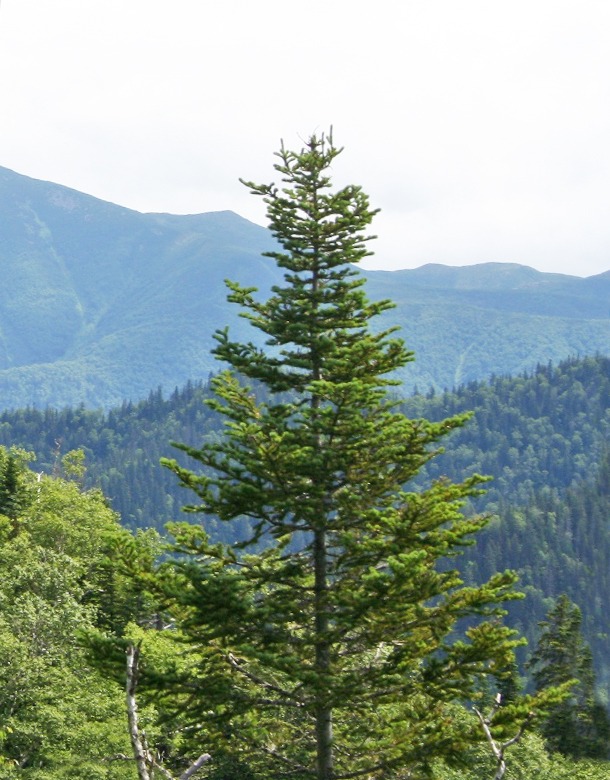
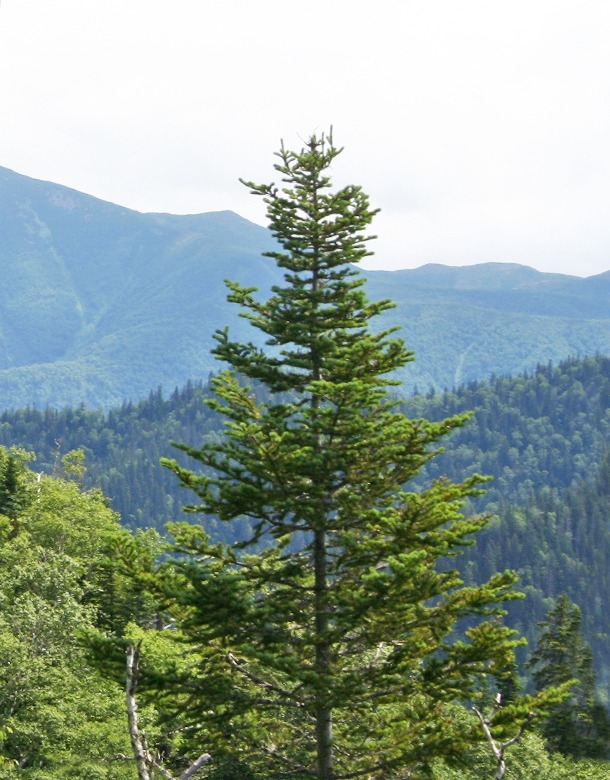
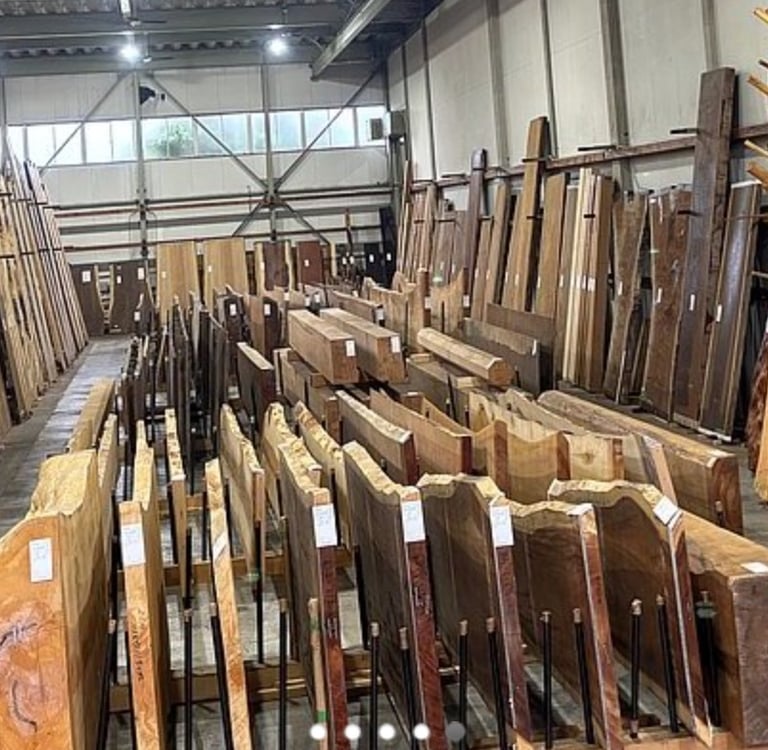
Todomatsu (Abies sachalinensis)
Pale, clean, and free of drama. A Hokkaido white fir that brings a quiet, contemporary restraint to interior panelling and joinery without competing with the space around it.
Other Japanese Species
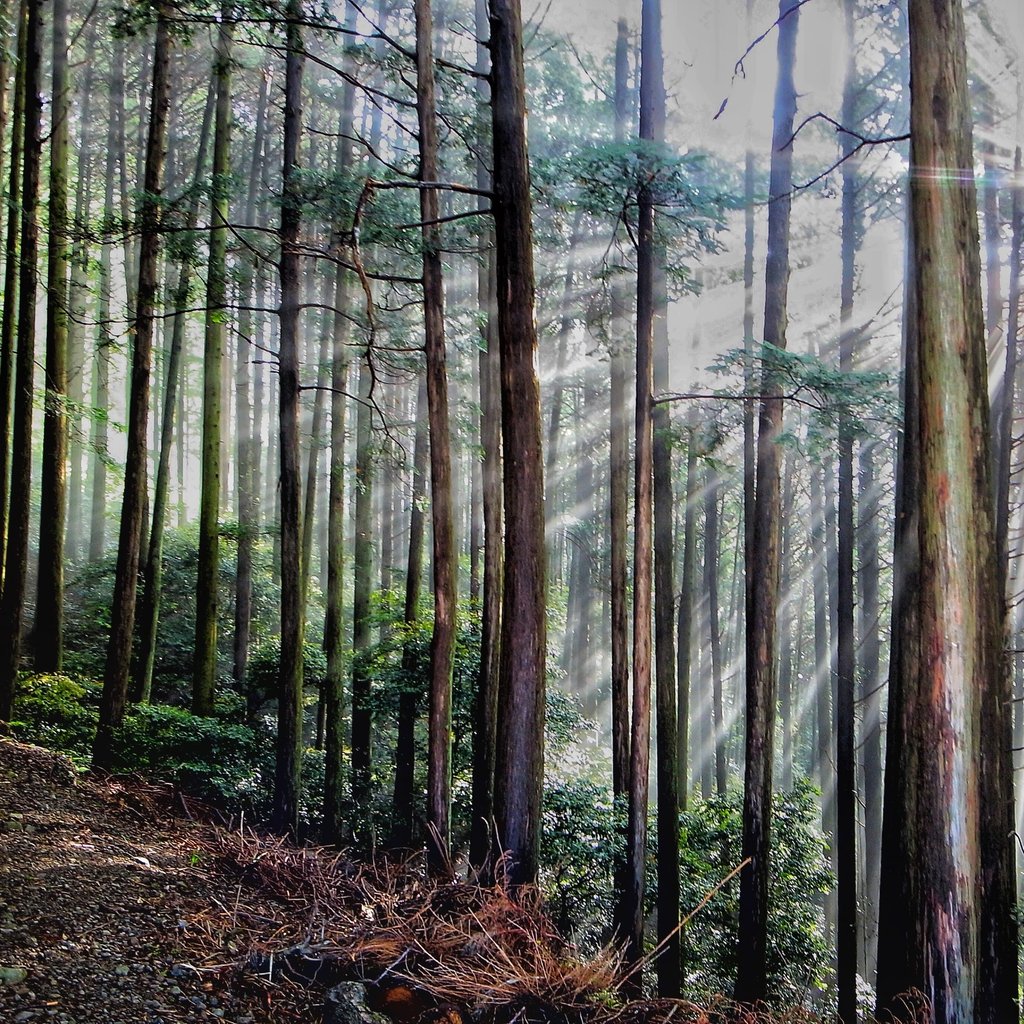
Warm, straight-grained, and deeply embedded in Japanese building culture. From rural farmhouses to charred exterior cladding recognised worldwide as yakisugi.
From hardwoods like Keyaki and Sakura to rare softwoods like Hiba. Japan is home to plenty of remarkable wood species, each with its own distinct character, application, and provenance.
Specify Japanese Wood for Your Project
Tell us your species, application, volume, and destination. We'll come back within two business days with clear advice on availability, pricing, and lead times.
Phone / WhatsApp
+81 80 5744 6446
Email:
grahams@north21.co.nz
Phone / WhatsApp:
+818057446446
Head Office:
St Heliers, Auckland, New Zealand 1071
Japan Office:
Ieyama, Kawane-Cho, Shimada Shi 428-0104
© Copyright 2026 North21 Limited